



Country’s most advanced ICU to treat critically ill children.

Seamless support from diagnosis to post treatment care
Pediatric Intensive Care Unit
The Pediatric Intensive Care Unit, commonly referred to as PICU, is a specialized medical facility designed to provide intensive treatment for severely ill children, teenagers, and young adolescents. PICUs are dedicated to managing highly critical pediatric cases, including those with acute conditions and the potential for life-threatening complications.
The Pediatric Intensive Care Unit at Rainbow Children's Hospital stands as one of the most advanced units in the country, focusing on the care of critically ill children. Staffed by an in-house team of Pediatric Intensivists available 24/7, along with full-time Pediatric Subspecialist Consultants, the PICU utilizes advanced ventilation techniques and organ support systems to achieve the best outcomes for critically ill children and those with complex medical issues. To maintain a sterile environment, our PICU is equipped with HEPA filters and Special Air Handling Units. Furthermore, our PICU is equipped with cutting-edge resources, such as the Latest Generation Ventilators, ECMO - Extracorporeal Membrane Oxygenation, HFOV- High Frequency Oscillatory Ventilation, Nitric Oxide Delivery Units, Continuous EEG Monitoring, ICP Monitoring, and Hemodialysis Machines.
The Pediatric Intensive Care Unit offers a comprehensive range of services, including:
-
Utilization of HEPA filters and specialized air handling units to ensure the circulation of bacteria-free air.
-
A dedicated infection control team.
-
State-of-the-art equipment for monitoring and managing children, including the latest generation multi-channel cardiac monitors, intracranial pressure monitoring equipment, in-house 2D echo, continuous EEG monitoring, ultrasound machines, hemodialysis machines, and more.
-
All ICUs are equipped with the latest generation ventilators, nitric oxide delivery units, and high-frequency oscillators.
-
A variety of pediatric therapies
-
Post- transplant Care

Find a Doctor
Expertise you can trust, Meet our esteemed doctors who bring exceptional knowledge, compassion, and innovation to provide top-notch care for your health and well-being.

Dr. Dinesh Kumar Chirla
Director Intensive Care Services - Rainbow Children's Hospital
32+ Years English,Hindi,Telugu Banjara Hills, Financial District

Dr. Karthik Narayanan R
Senior Consultant – General Pediatrics & Pediatric Intensive Care and Emergency, Chennai
English,Tamil Guindy, Sholinganallur
Dr. Pritesh Nagar
Consultant - Pediatrician
Telugu,English Himayatnagar

Dr. Rakshay Shetty
Clinical Director, Pediatric Services Head, Pediatric Intensive Care Services
20+ Years English,Kannada Marathahalli

Dr. Preetham Kumar Reddy
Senior Consultant - Pediatrician & Pediatric Intensive Care, Secunderabad & LB Nagar (Hyderabad)
English,Hindi,Telugu Secunderabad, LB Nagar

Dr. Shaikh Farhan A Rashid
Consultant Pediatric Intensivist and Head of the Department of Pediatric Intensive Care.
English,Hindi Banjara Hills

Dr. Anupam Jaiswal
Consultant Pediatric Intensivist & Pediatrician
14 Years Kannada,Telugu,English,Hindi Bannerghatta

Dr Aravind A
Consultant - Pediatric Intensivist & General Pediatrics
English,Hindi,Kannada,Malayalam Hebbal

Dr. Reena Mathew
Consultant Paediatric Intensivist
13 Years Telugu,English Financial District

Dr. Akheel S Rizwan
Senior Consultant Pediatrician and Pediatric Intensivist, Vikrampuri (Hyderabad)
English,Hindi Secunderabad

Dr. Anupama Y
Senior Consultant – Pediatric Intensivist and pediatrcian
11 Years English,Hindi,Telugu Banjara Hills

Dr. Akila Sivakumar
Consultant - Ped. Emergency & Intensive care.
14 Years English,Hindi,Tamil Sholinganallur

Dr. Aniket Anil Parashar
Consultant Pediatrician and Pediatric Intensivist
7 Years English Himayatnagar
Dr. Awari Shivani
Consultant Pediatrician and Pediatric Intensivist
English,Telugu LB Nagar

Dr. B Satyanarayana Reddy
Consultant-Pediatric Intensivist & Pediatrician
telugu,English Hydernagar

Dr. Bharath Periasamy
Associate Consultant-General Pediatrics & Pediatric Intensivist.
1 Years English,Tamil,Telugu Sholinganallur

Dr. Buddala Pavan Kumar
Consultant Pediatrician (PICU)
English,Hindi,Telugu Currency Nagar

Dr. Chandra Sekhar Singha
Consultant
English Malviya Nagar

Dr. Chandra Shekhar Koyala Konda
Pediatrician
Telugu,Hindi,English Hydernagar

Dr. Chedulla Pruthvi Ranganath
General Pediatrician, Pediatric Intensivist
5 Years English,Hindi,Telugu Rajahmundry

Dr. Deepak R
Consultant - Pediatric Intensive Care
English,Kannada Marathahalli

Dr. Dikshitha Reddy Kasarla
Consultant
Telugu,English Hydernagar

Dr. G. Krishna Sameera
Consultant - Pediatric Intensive Care (PICU)
7 Years English,Tamil Anna Nagar

Dr. Geetha Jayapathy
Pediatric Intensive Care and Emergency Services, Chennai
Tamil,English Guindy

Dr. Hema Kumar Nagappagari
Consultant Pediatric Intensivist & Pediatrician
19 Years English,Telugu Rajahmundry

Dr. Kapil Bhagwatrao Sachane
Consultant Neonatologist and Pediatric Intensivist
English,Telugu Banjara Hills, Financial District

Dr. Krithika P
Consultant - General Pediatrician and Pediatric Intensive Care
10 Years English,Telugu,Hindi Anna Nagar

Dr. Kodicherla Vishnu Vardhan Reddy
Consultant Pediatrician and Pediatric Intensivist
10 Years English,Hindi,Telugu Secunderabad
Dr. Lini Balakrishnan
Sr Consultant, Pediatrics & Pediatric Intensivist
24 Years English,Hindi,Kannada Sarjapur Road
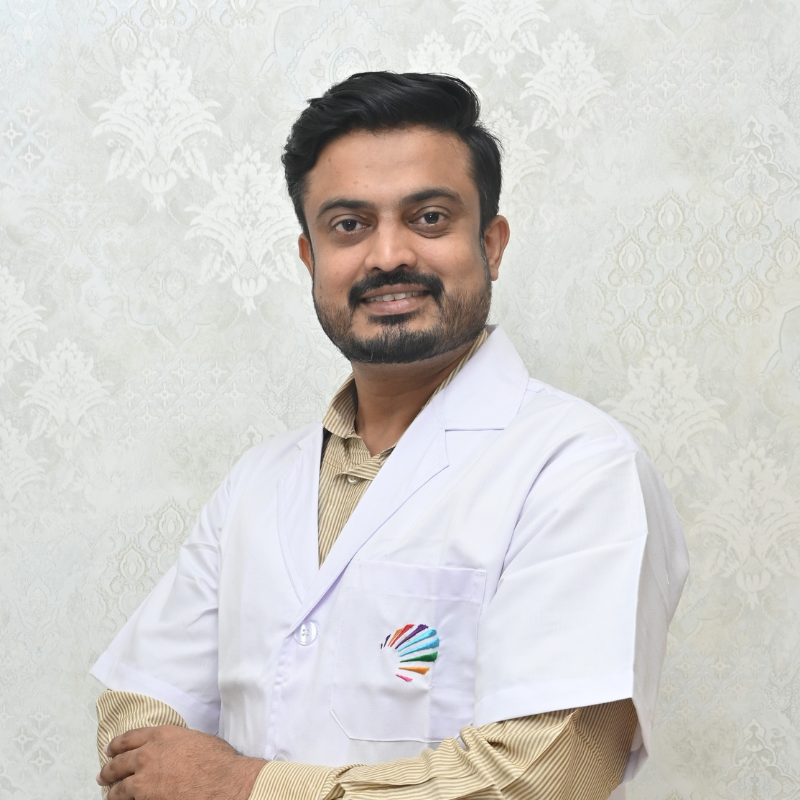
Dr. Madhumithra D S
Consultant - Pediatrics & PICU
English,Hindi,Kannada,Telugu Sarjapur Road

Dr. Nataraj Palaniappan
Senior Consultant – General Pediatrics & Pediatric Intensive Care and General Pediatrics, Chennai
English,Tamil Guindy

Dr. Nilesh Ranjan
Consultant Neonatologist and Pediatrician
11 Years English,Hindi,Tamil,Telugu Banjara Hills, Attapur Clinic

Dr. Pailu Ramesh Kumar
Consultant Pediatrician and Pediatric Intensivist
English,Telugu Currency Nagar, Governorpet

Dr. Quazi Sumaira Idris
Consultant - Pediatrics & Pediatric Intensive Care
12+ Years English,Hindi,Marathi Hebbal, Hennur

Dr. Ram Gopal Holla
Senior Consultant Neonatology & Pediatrics
English,Hindi Panchsheel Park

Dr. Sandeep Reddy
Consultant - Pediatric Intensivist & General Pediatrician
English,Telugu Banjara Hills

Dr. Shashwat Mohanty
Consultant Pediatric Intensivist and Pediatrician
15 Years English,Hindi,Odia,Telugu Health City, Kailash Metta

Dr. Suresh Kumar Panda
Consultant Pediatrician & Pediatric Intensive Care Specialist
20+ Years English,Hindi,Telugu LB Nagar
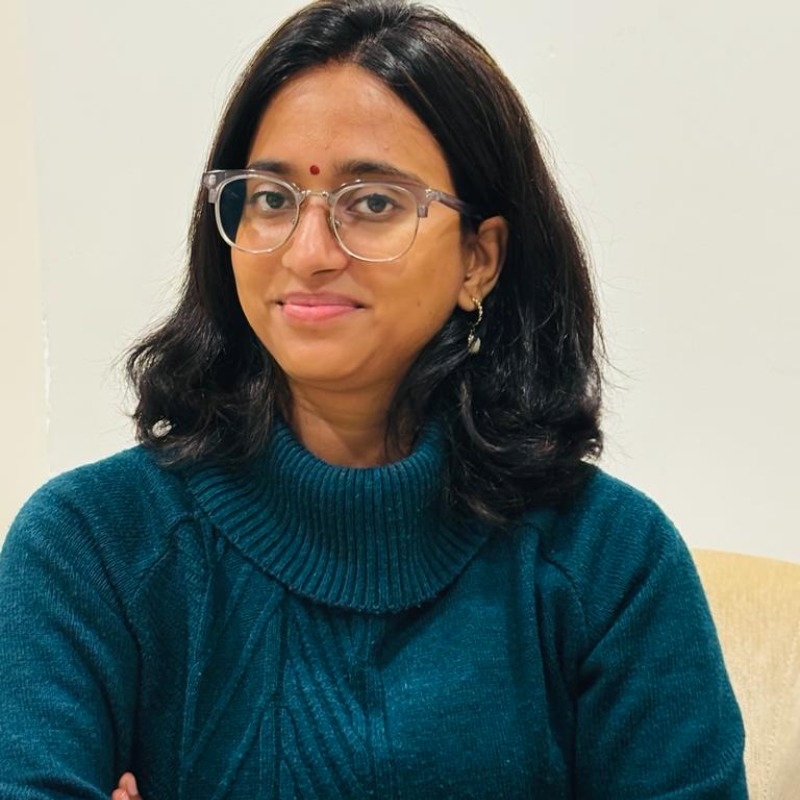
Dr. V Pavitra
Consultant Emergency & Pediatric Intensive care
English,Hindi,Kannada,Tamil Marathahalli

Dr. Vemireddy Kiran Kumar Reddy
Consultant Neonatologist and Pediatrician
English,Telugu Hydernagar
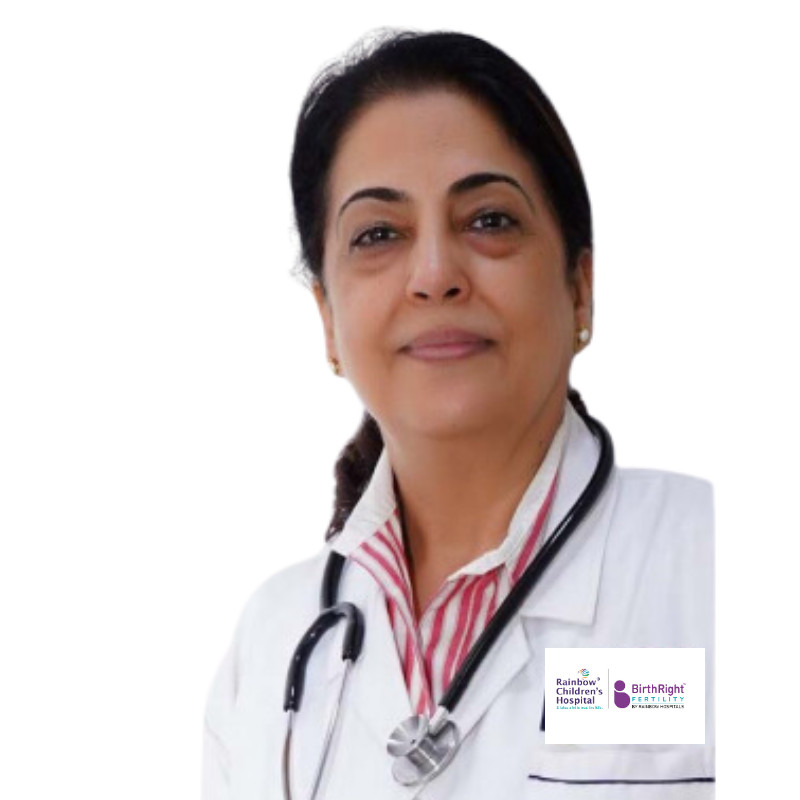
Dr. Vandana Kent
Consultant - General Pediatrics
38+ Years English,Hindi Malviya Nagar

Dr. Yeshwanth Reddy J
Consultant Pediatric Intensivist and Pediatrician
13 Years English,Hindi,Telugu WarangalOur Hospitals and ClinicsOur Hospitals and Clinics
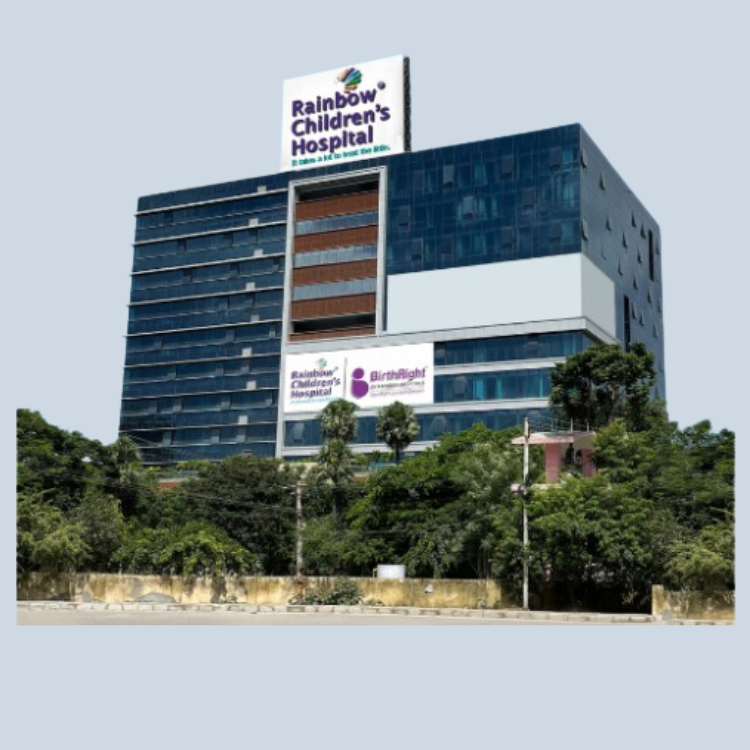
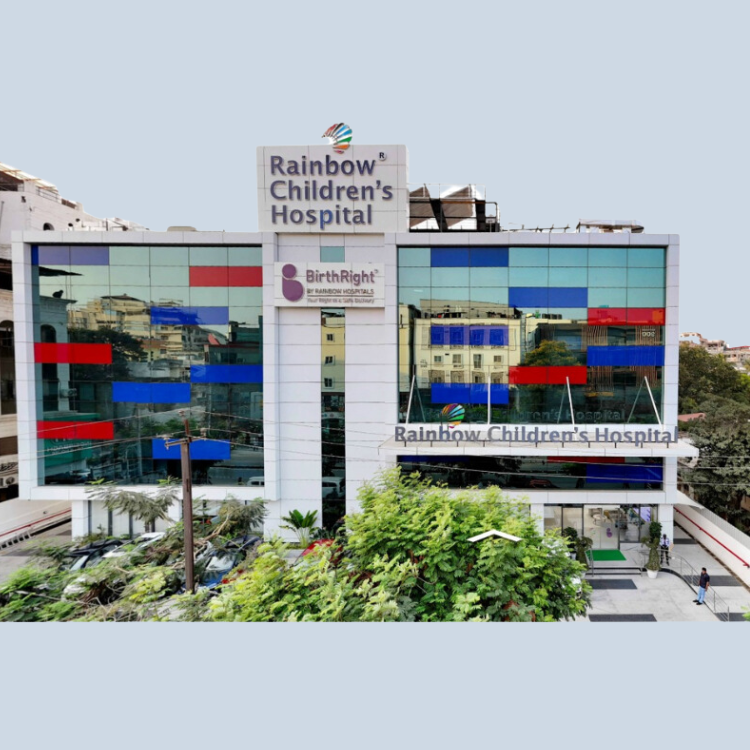
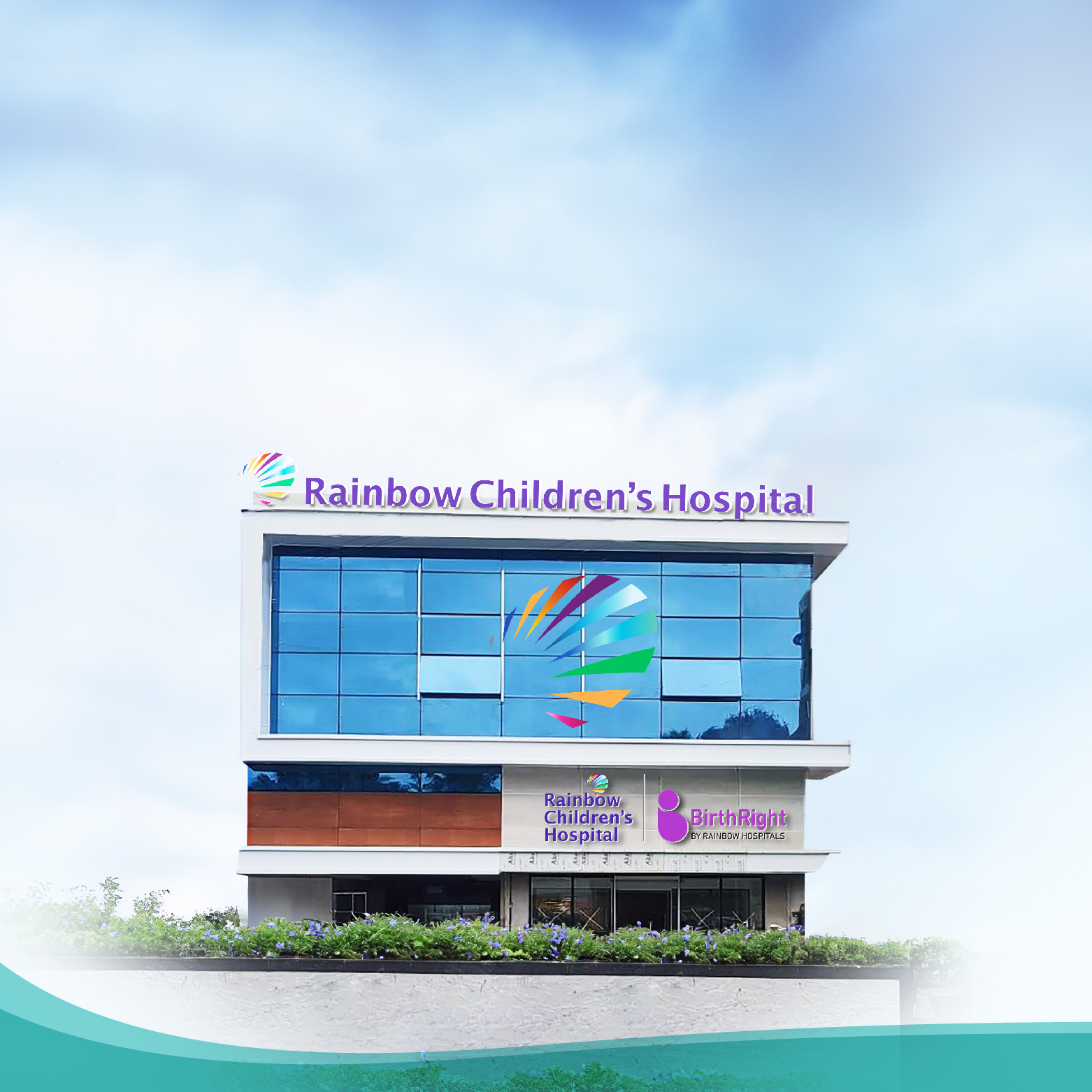
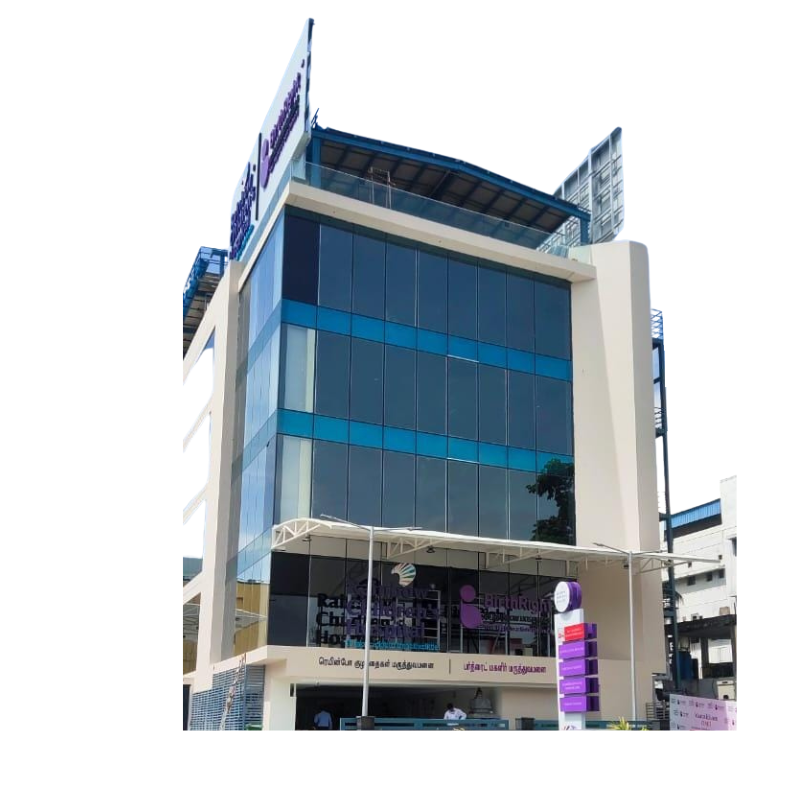
Rainbow Children's Hospital stands as a testament to the hospital's continual pursuit of excellence and innovation, providing specialized care for women and children.









Request a Call back
Tap to Fill FormRequest a Call back
Blogs
Discover our most recent health articles provided by our reliable experts.




What Are People Saying About Us
Embark on a journey of inspiration and hope with our patient success stories, complemented by informative videos from our dedicated doctors.

Dr. Anupam Jaiswal | Assistance to someone experiencing a cardiac arrest outside of a hospital Assistance to someone experiencing a cardiac arrest outside of a hospital|Dr. Anupam Jaiswal

Media
 Autism is harmful for Childhood
 Unhealthy diet, sedentary lifestyle fuel obesity
 Mycoplasma pneumoniae sees rise, triggers severe illness among kids
 Recognizing Respiratory Distress in Kids
 Strains and Sprains in Kids, Tips for Parents
 Toxic Exposure in Kids: Act Fast, Stay Safe!
 Pediatric Seizures: What Should You Do?
 Fainting and Unconsciousness in Children?
 What to do for burn injuries in Children?
 Pulled elbow in Children
 What to do if your child is choking?
 Rainbow Children's Hospital Heart Institute suvvessfully performs fetal ballon aortic valvuloplasty
Autism is harmful for Childhood
Unhealthy diet, sedentary lifestyle fuel obesity
Mycoplasma pneumoniae sees rise, triggers severe illness among kids
Recognizing Respiratory Distress in Kids
Strains and Sprains in Kids, Tips for Parents
Toxic Exposure in Kids: Act Fast, Stay Safe!
Pediatric Seizures: What Should You Do?
Fainting and Unconsciousness in Children?
What to do for burn injuries in Children?
Pulled elbow in Children
What to do if your child is choking?
Rainbow Children's Hospital Heart Institute suvvessfully performs fetal ballon aortic valvuloplasty
Rainbow Children's Hospital Heart Institute suvvessfully performs fetal ballon aortic valvuloplasty
Autism is harmful for Childhood
Unhealthy diet, sedentary lifestyle fuel obesity
Mycoplasma pneumoniae sees rise, triggers severe illness among kids
Recognizing Respiratory Distress in Kids
Strains and Sprains in Kids, Tips for Parents
Toxic Exposure in Kids: Act Fast, Stay Safe!
Pediatric Seizures: What Should You Do?
Fainting and Unconsciousness in Children?
What to do for burn injuries in Children?
Pulled elbow in Children
What to do if your child is choking?
Rainbow Children's Hospital Heart Institute suvvessfully performs fetal ballon aortic valvuloplasty
Asthma
Heart conditions
Serious infections
Complications of diabetes
Serious injury
One of the most important people in the PICU is the nurses. They are trained in taking care of the sickest children. They will be involved in minute-to-minute care of the children. It is important for the hospital to maintain a high nurse to patient ratio, meaning that each nurse should care for fewer patients. This way, they will be able to take better care of the children.
Several physicians might take care of your child. However, the attending physician is the one in charge. The team contains residents doctors who have completed their training and the PICU fellows who are currently training. Apart from them, there will be several other specialists like neurosurgeons and cardiologists, depending on the needs of the children. Respiratory therapists help in setting up and monitoring ventilators and other breathing equipment. In some cases, physical therapists, nutritionists, and occupational therapists might come into play as well.
IVs - Almost every kid admitted to the PICU has an intravenous catheter to transfer medications and fluids into the body. It is usually inserted in the arms or hands, but in some cases in legs, feet, or even scalp. It is a thin tube that is inserted into the vein using a small needle. Once the IV is in the vein, the needle is taken out and the soft plastic tube is left.
In some cases, if a large amount of medicines and fluids are needed to be delivered, larger IVs can be used. Known as central lines, these IVs are inserted into the central and larger veins of the neck, chest or groin.
Medications - There are certain medications that can have a serious side effect. To administer such medications, the child must be in the PICU where they can be monitored. Instead of a few hours, some medications are needed to be given continuously. These medicines like morphine, dopamine, and epinephrine are used for helping with blood pressure, heart function, and pain relief.
Monitors - Almost all the kids in the PICU have monitors attached to them. These use chest leads to secure the device to the body. Chest leads are small stickers that are connected to the wires. They are used for counting the breathing and heart rate of a child. Some kids will be connected to a pulse oximetry machine that is used for checking the levels of blood oxygen. This device is attached to the toes or fingers. If the blood pressure of your kid is not monitored directly using an arterial catheter, they will have a blood pressure cuff attached to their leg or arm.
Tests - Doctors will order blood and urine tests to get more information on your child’s health. This also includes imaging tests like an X-ray, CT scan, MRI, and an ultrasound. In some cases, the cerebrospinal fluid (CSF) surrounding the spinal cord and the brain is also tested.
Ventilators - Kids admitted to the PICU usually need some help to breathe. This includes using tubing in the nose or a face mask to get that extra oxygen. In a serious case, a child will be connected to a breathing machine called a ventilator. This can be done in two ways. Either through a tracheostomy where a plastic tube will be directly inserted into the windpipe through the skin or through an endotracheal tube where the tube will be inserted through the nose or mouth into the windpipe. For different situations, there are different ventilators. But the basic purpose for all is the same - help the child breathe. When the breathing tube is in the windpipe, the child will be administered pain relief and sedative medicines.
Quick Links
- Best Pediatric Intensivists In Hyderabad
- Best Pediatric Intensivists In Bangalore
- Best Pediatric Intensivists In Delhi
- Best Pediatric Intensivists In Chennai
- Best Pediatric Intensivists In Vijayawada
- Best Pediatric Intensivists In Vizag
- Best Pediatric Intensivists In Hyder Nagar
- Best Pediatric Intensivists In Secunderabad
- Best Pediatric Intensivists In Lb Nagar
- Best Pediatric Intensivists In Marathahalli
- Best Pediatric Intensivists In Bannerghatta
- Best Pediatric Intensivists In Malviya Nagar
- Best Pediatric Intensivists In Guindy
- Best Pediatric Intensivists In Currency Nagar
- Best Pediatric Intensivists In Governerpet
- Best Pediatric Intensivists In Health City
- Best Pediatric Intensivists In Banjarahills
- Best Pediatric Intensivists In Sholinganallur
- Top Pediatric Intensivists in India
- Pediatric intensivists near me in Lb Nagar
- Pediatric intensivists near me in Banjarahills
- Pediatric intensivists near me in Hyder Nagar
- Pediatric intensivists near me in Secunderabad
- Best Treatment for Hydrops Fetalis in Children, Bengaluru
- Best Treatment for Hydrops Fetalis in Children, Delhi
- Best Treatment for Home Wound Care in Children, Chennai
- Best Treatment For Hydrops Fetalis in Children, Vizag
- Best Pediatric Intensive Care Unit in Sarjapur Road, Bengaluru
- Best Pediatric Intensive Care Unit in Himayatnagar, Hyderabad
- Best Pediatric Intensive Care Unit in Anna Nagar, Chennai